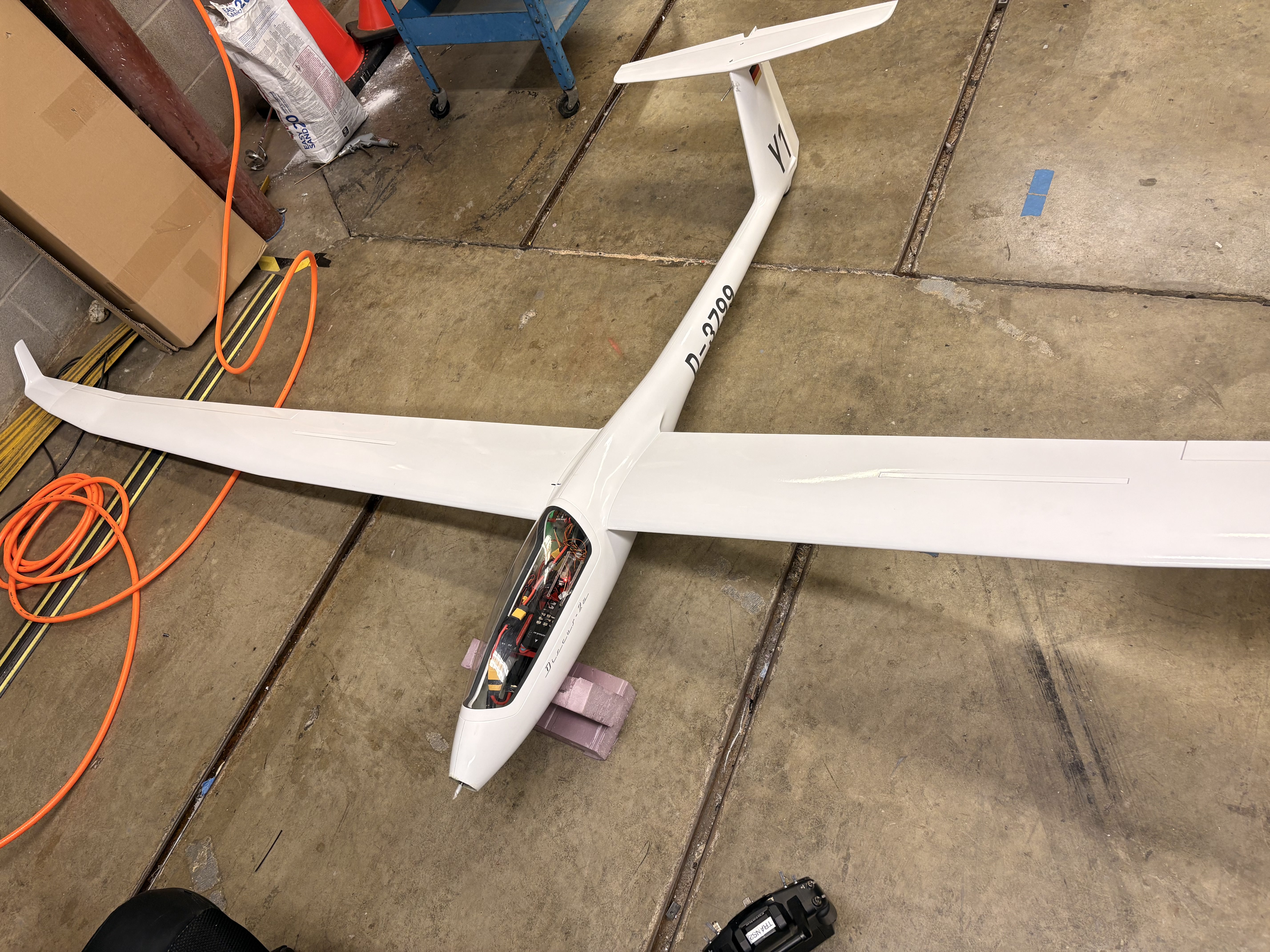
Full-scope build of an electric sailplane, designed to catch thermals and aiming to exploit wind patterns off glaciers: flight controller integration, wiring, servo mapping, telemetry, and soaring-algorithm configuration.
Technical Overview
Integrated a Pixhawk 6C flight controller running ArduPlane with a full front-electric-sustainer (FES) power system on a COTS sailplane (emulating the DG-1000), covering power distribution, ESC/motor wiring, and telemetry.
Mapped all SERVO1–8 channel assignments across six control surfaces: right flaperon, elevator, throttle, rudder, left flaperon, airbrakes, and landing gear.
Set up telemetry radios, replacing a USB ground-station tether and enabling communication with ground station up to 25 miles.
Configured receiver and ArduSoar soaring algorithm for autonomous thermal soaring.
Tested and tuned the system through multiple flight tests, including manual and autonomous soaring flights, achieving stable flight and successful thermal exploitation.
Skills & Hardware
Pixhawk 6C / ArduPilot
Electronic Speed Controller / Brushless Motor
Electric Power Distribution Module
RFD900+ / RFD900ux-US Telemetry Modems
ArduSoar Soaring Algorithm / C/C++
Build Gallery
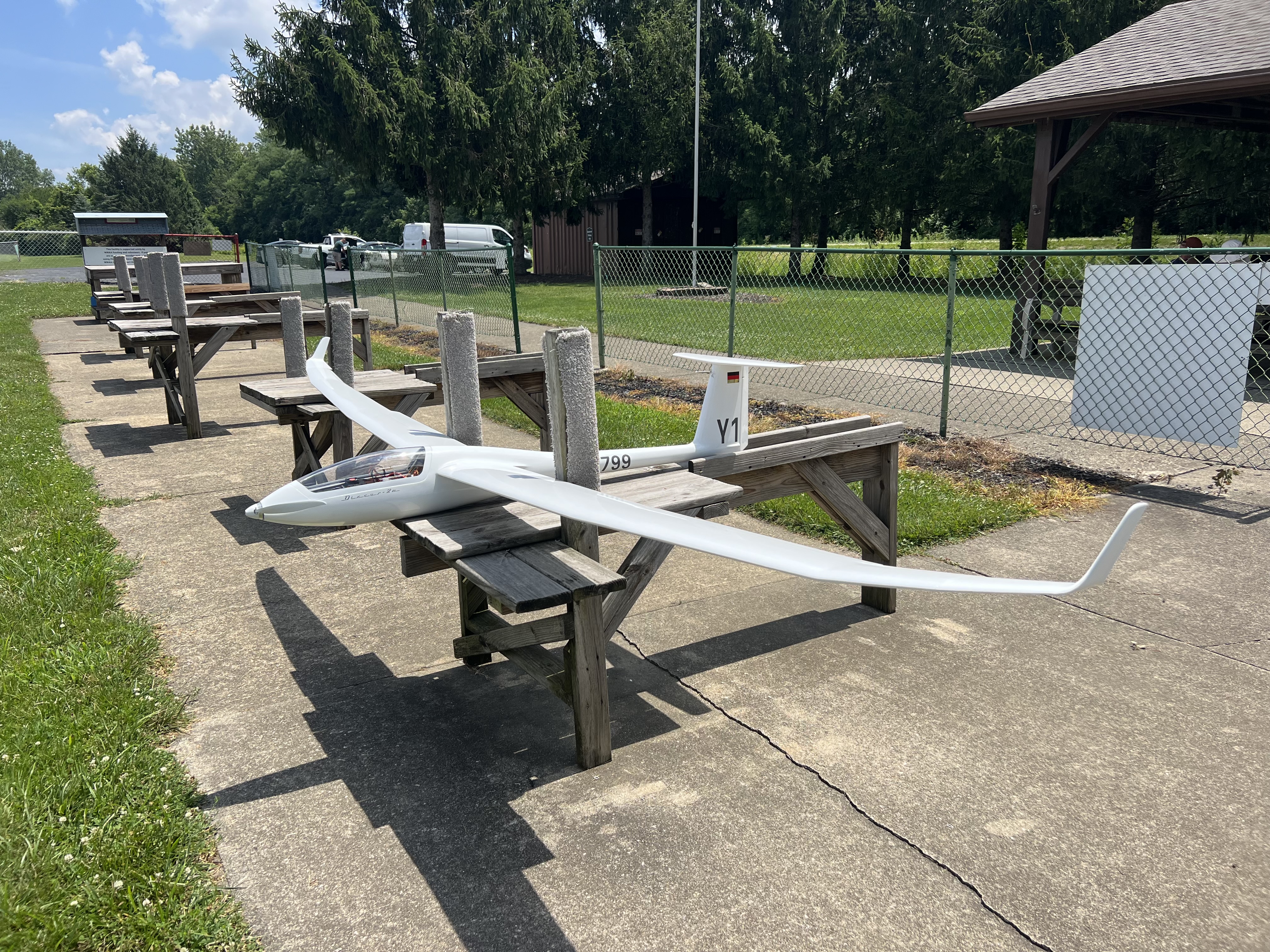
01Completed Discus 2a FES sailplane, ready for flight testing.
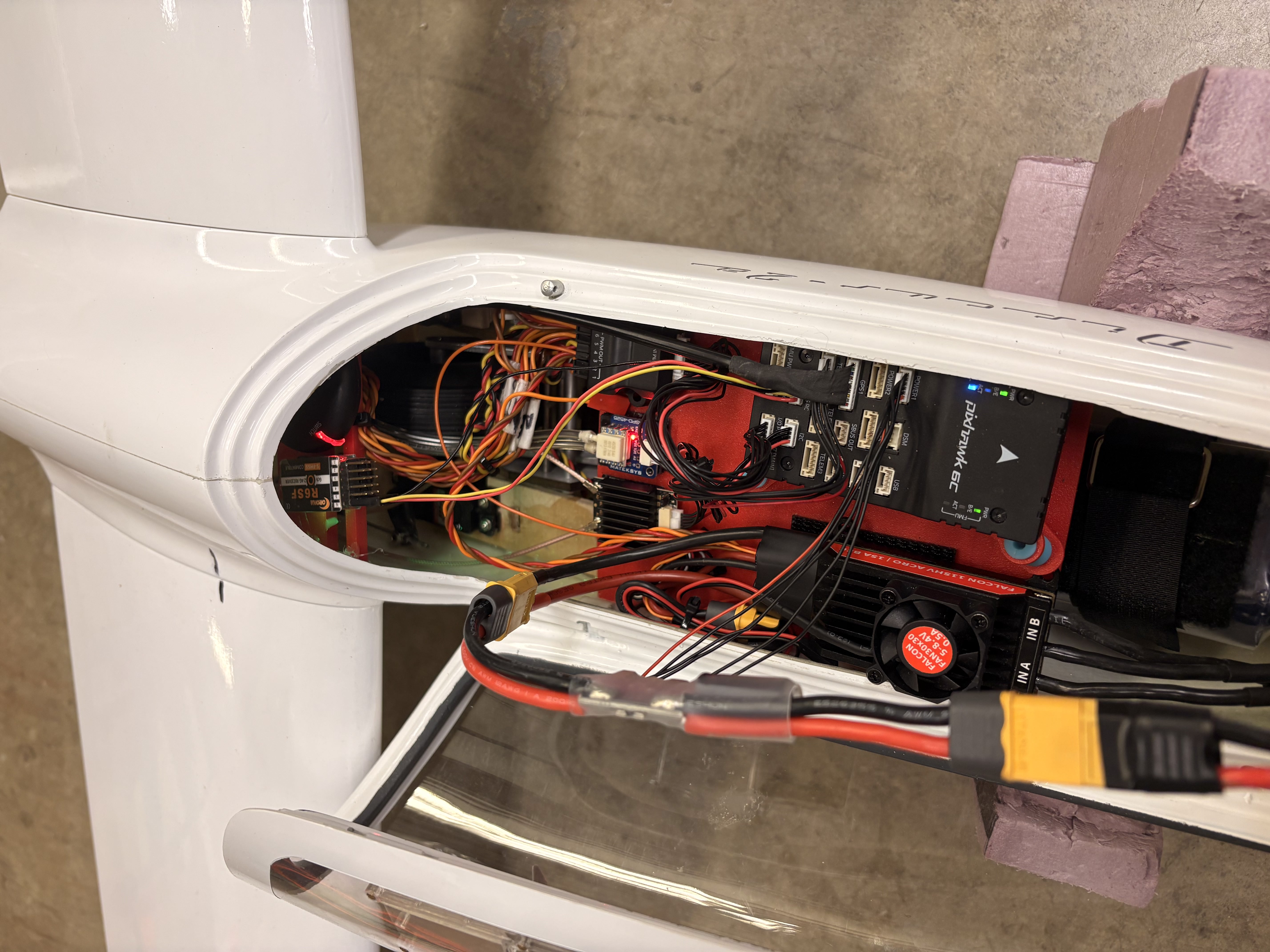
02Pixhawk 6C and Falcon 115HV ACRO ESC wired into the fuselage avionics bay, with the R6SF receiver and GPS/telemetry leads routed alongside.
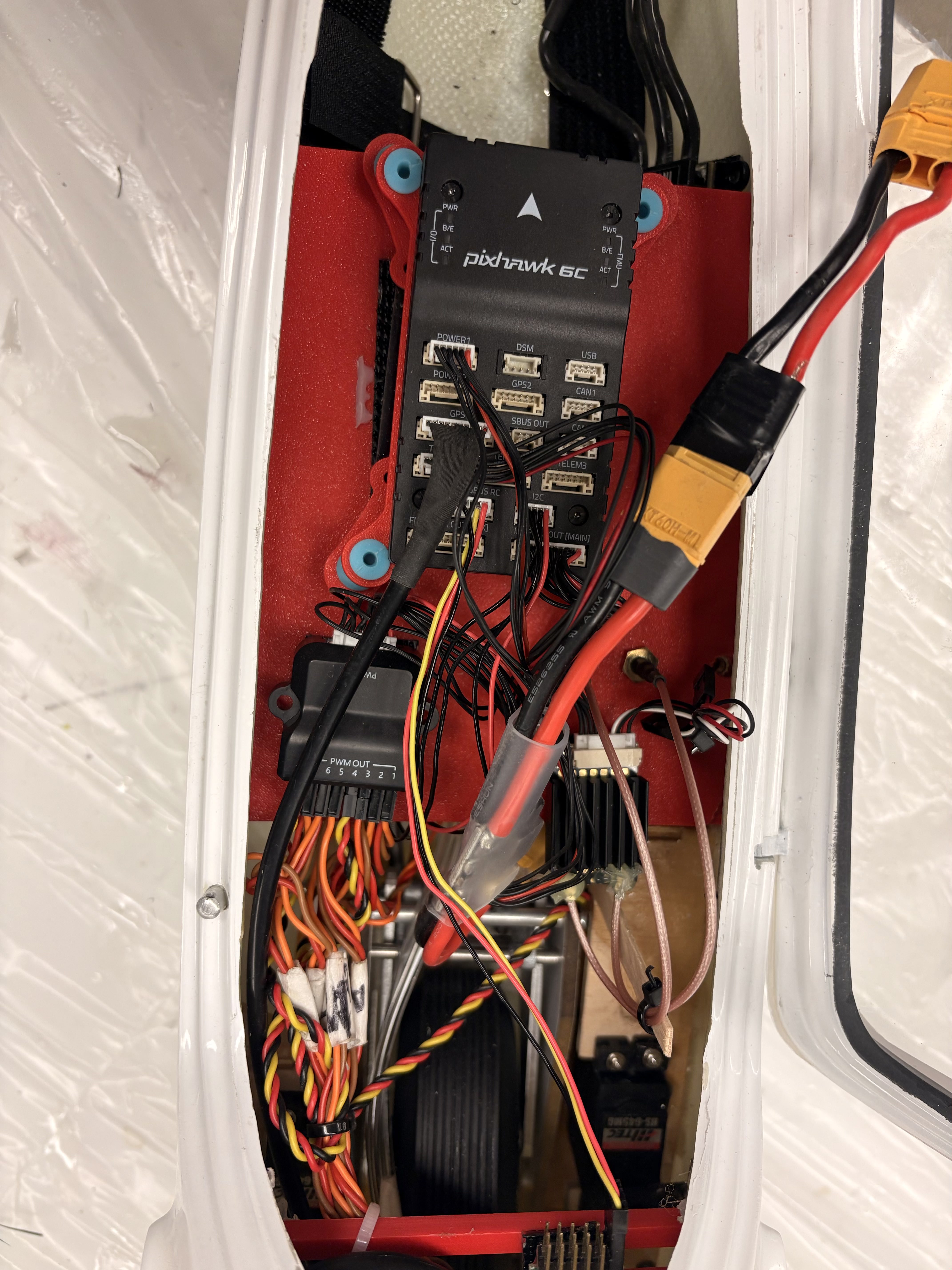
03Pixhawk 6C mounted on the power distribution plate, with PWM output and power module connections labeled.
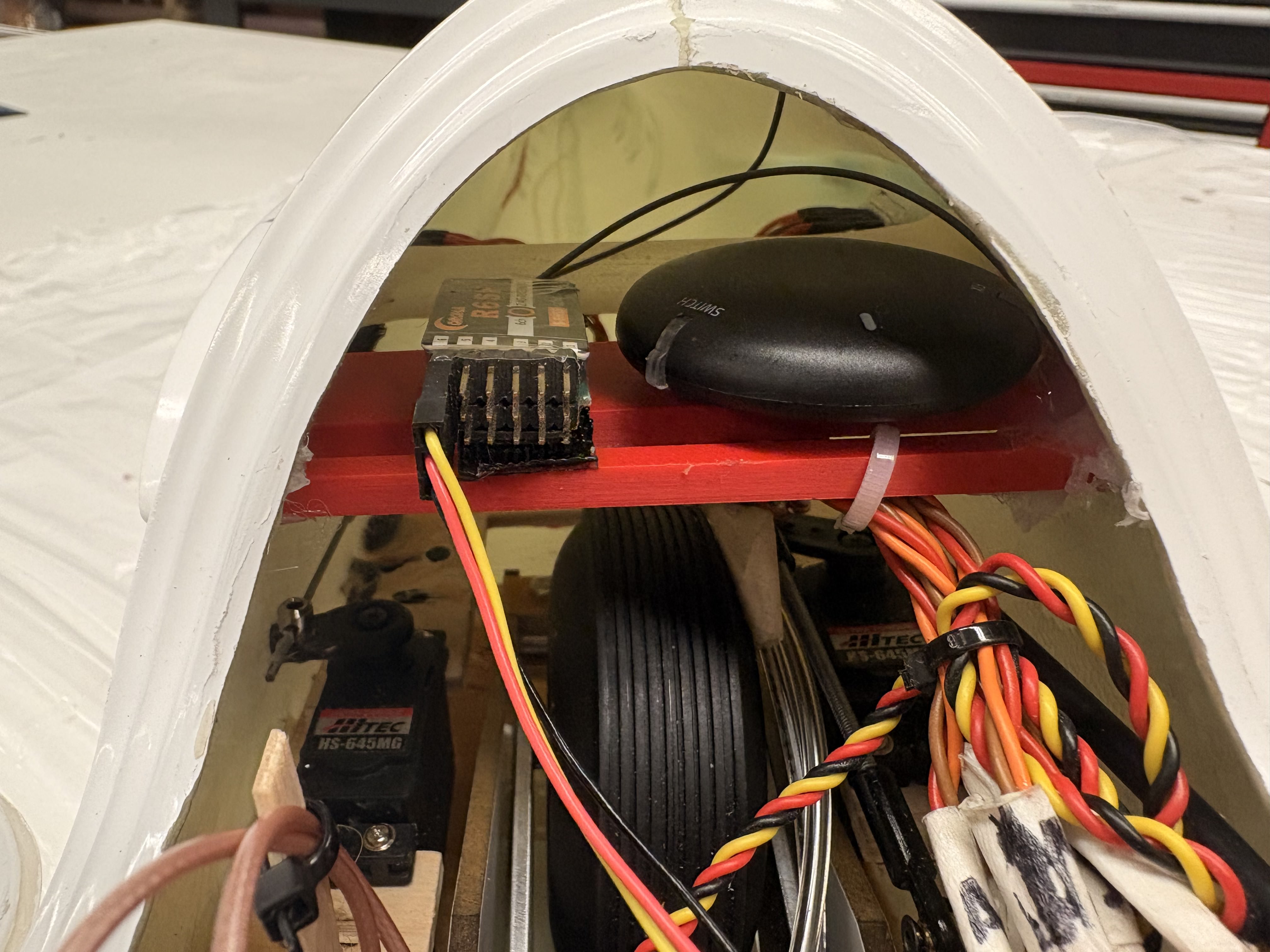
04Corona R6SF receiver and HITEC HS-645MG servos wired inside the nose, ahead of the flaperon and airbrake channel runs.
05Assembled airframe on the ground ahead of a flight test.